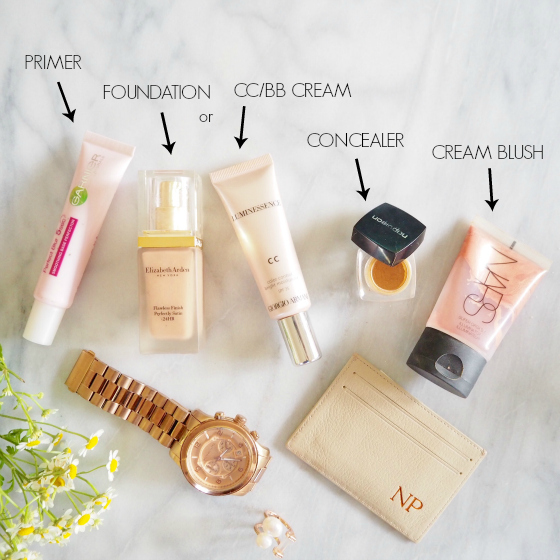
A natural makeup look is all about enhancing your features without making your makeup appear heavy. It can be a great choice for everyday activities, work, college, casual outings, or simply when you want to look fresh and polished.
The goal of natural makeup is not necessarily to use less makeup. Instead, it is about choosing suitable products, using small amounts, blending carefully, and allowing your natural features to remain visible.
A natural look can be created with a simple routine. You do not need dozens of products or complicated techniques. With the right preparation and a little practice, you can create makeup that looks comfortable, balanced, and natural throughout the day.

Start With Clean and Moisturized Skin
Good makeup starts with proper skin preparation. Before applying makeup, gently cleanse your face to remove excess oil, sweat, and other buildup.
After cleansing, apply a moisturizer suitable for your skin type. Well-moisturized skin can provide a smoother base for makeup.
If you are applying makeup during the day, use sunscreen as part of your skincare routine.
Give your skincare products a little time to settle before starting your makeup. This can help prevent your makeup from looking uneven or patchy.
Keep Your Base Light
One of the most important tips for a natural makeup look is to avoid applying too much foundation.
Instead of covering your entire face with a thick layer, start with a small amount and apply it where you need it most.
A lightweight foundation, tinted moisturizer, or similar complexion product can work well for a natural appearance.
Blend the product carefully using clean fingers, a makeup sponge, or a suitable brush.
The goal is to even out the appearance of your complexion while allowing some of your natural skin to remain visible.
Choose the Right Foundation Shade
The right foundation shade can make a significant difference.
A foundation that is too light or too dark can make your makeup look obvious.
Try to choose a shade that closely matches your natural complexion. When possible, check the shade in natural lighting before making a final decision.
Also consider your skin’s undertone. Some people have warm undertones, others have cool or neutral undertones.
If the shade matches well, you should be able to blend the foundation without creating an obvious difference between your face and neck.
Use Concealer Only Where Needed
Concealer is useful when you want additional coverage without applying more foundation.
Apply a small amount under the eyes or over areas where you want extra coverage.
Instead of spreading a thick layer, gently tap the concealer into the skin.
For a natural appearance, less is often better. You want the product to blend into your complexion rather than sitting visibly on top of the skin.
Avoid Too Much Powder
Powder can help control shine and set makeup, but using too much can make a natural look appear dry or heavy.
If you have oily skin, apply powder mainly to areas that become shiny.
If your skin is dry, you may need very little powder.
Use a soft brush and apply a small amount. You can always add more later if needed.
Add a Small Amount of Blush
Blush can make your face look fresh and healthy.
For a natural look, choose a shade that complements your complexion and apply a small amount to the cheeks.
Blend the blush carefully so there are no harsh edges.
Cream blush can provide a soft finish, while powder blush can be easy to control.
Start with a small amount because adding more is easier than removing too much.
Keep Bronzer Subtle
Bronzer can add warmth to the face, but too much can make your makeup look less natural.
Apply a small amount to areas where the sun would naturally reach your face, such as the forehead, cheek area, and jawline.
Blend it carefully.
The purpose of bronzer in a natural look is to add subtle warmth rather than create a strong contrast.
Keep Your Eyebrows Natural
Your eyebrows help frame your face, so small adjustments can make a noticeable difference.
If your brows are already full, you may only need a little brow gel to keep them in place.
If you have sparse areas, use a brow pencil or powder to fill them with small, light strokes.
Avoid creating a very dark or overly sharp eyebrow shape if your goal is a natural look.
Choose a shade that works well with your natural hair color and blend the product carefully.
Choose Neutral Eyeshadow
For a natural makeup look, neutral eyeshadow shades are usually easy to work with.
Soft brown, beige, taupe, peach, or other subtle shades can add definition without making your eye makeup appear dramatic.
Apply a light shade over the eyelid and blend it carefully.
You can add a slightly darker neutral shade to the crease for more definition.
You do not need many eyeshadow colors to create a beautiful everyday look.
Use Mascara Lightly
Mascara can make the eyes look more defined while still keeping your makeup natural.
Before applying mascara, remove excess product from the wand if necessary.
Apply one or two light coats, focusing on separating the lashes rather than creating a very thick appearance.
If your lashes become clumpy, use a clean lash comb or brush to separate them carefully.
Keep Eyeliner Soft
A strong, dramatic eyeliner may not be necessary for a natural makeup look.
If you want to use eyeliner, try applying a thin line close to the upper lash line.
Brown eyeliner can create a softer appearance than very dark eyeliner, depending on your complexion and personal preference.
You can also skip eyeliner completely and rely on mascara and neutral eyeshadow for definition.
Choose a Natural Lip Color
Your lip color can complete the overall look.
For everyday natural makeup, consider a tinted lip balm, nude lipstick, soft pink shade, or light gloss.
Choose a color that complements your natural complexion.
Before applying lipstick, make sure your lips are comfortable and moisturized.
If your lips are dry, apply lip balm first and allow it to absorb before applying color.
Blend Everything Carefully
Blending is one of the most important skills for natural-looking makeup.
Foundation, concealer, blush, bronzer, and eyeshadow should transition smoothly into your skin.
Visible lines can make makeup look heavier than it actually is.
Use clean brushes or a makeup sponge and take your time.
Check your makeup in natural lighting whenever possible. Sometimes makeup can look different under indoor lighting compared with daylight.
Use Less Product at First
A common makeup mistake is applying too much product immediately.
Start with a small amount and gradually build coverage or color.
This approach gives you more control and makes it easier to achieve a soft finish.
If you need more coverage, you can add another thin layer.
It is usually much easier to build makeup than to remove a large amount once it has been applied.
Choose Products That Match Your Skin Type
Your skin type can influence how natural your makeup looks.
People with dry skin may prefer hydrating or creamy formulas.
Those with oily skin may prefer lightweight or oil-control products.
Combination skin may require different approaches in different areas.
Sensitive skin can benefit from simple products that are less likely to cause irritation.
Choosing products according to your skin can make makeup feel more comfortable and help it sit better on your face.
Avoid Heavy Contouring
Contouring can create dramatic changes in the appearance of facial features, but it is not necessary for a natural look.
If you want some definition, use a small amount of bronzer or a subtle contour product and blend it thoroughly.
Avoid creating strong lines along the cheeks, nose, or jaw if your goal is everyday makeup.
Natural makeup should enhance your features rather than completely change their appearance.
Keep Your Makeup Tools Clean
Clean makeup tools can help you apply products more evenly.
Wash your brushes and sponges regularly and allow them to dry completely.
Dirty tools can collect makeup residue, oils, and other buildup.
Also avoid sharing personal makeup products and tools whenever possible.
Good hygiene should be part of every makeup routine.
Remove Makeup Before Bed
No matter how natural your makeup looks, remove it before going to sleep.
Use a suitable makeup remover or cleanser to remove foundation, concealer, mascara, and other products.
Be gentle around the eyes and avoid excessive rubbing.
After removing makeup, follow your normal evening skincare routine.
Taking a few minutes to clean your face at night is an important part of maintaining good skincare habits.
Natural Makeup for Different Occasions
A natural makeup look can be adjusted depending on where you are going.
For everyday activities, you may only need moisturizer, a light complexion product, blush, mascara, and lip balm.
For work or college, you can add subtle eyeshadow and brow definition.
For an evening event, you can increase the intensity slightly while still keeping the overall look soft.
The same basic routine can be adjusted by changing the amount of product and adding a few extra details.
Common Mistakes to Avoid
Several mistakes can make natural makeup look heavier than intended.
Using too much foundation is one of the most common problems. Applying excessive powder can also make the skin appear dry.
Very dark eyebrows, strong contour lines, and too much blush can take away from a natural appearance.
Another mistake is choosing a foundation shade that does not match your complexion.
Finally, do not forget to blend. Even a small amount of makeup can look unnatural if it is not blended properly.
Frequently Asked Questions
How can I make my makeup look natural?
Use small amounts of product, choose shades that match your complexion, and blend everything carefully. Letting some natural skin show through can also create a softer appearance.
What foundation is best for a natural look?
A lightweight or medium-coverage foundation can be a good option. A tinted moisturizer or similar lightweight base can also work well.
Do I need contour for natural makeup?
No. Contour is optional. If you want definition, use a small amount and blend it carefully.
How much blush should I use?
Start with a small amount and gradually build the color. The blush should blend naturally into your complexion.
Can I wear natural makeup every day?
Yes. A simple makeup routine can be suitable for everyday activities as long as you choose products that work comfortably with your skin and remove your makeup properly at night.
Final Thoughts
Creating a natural makeup look is mainly about balance. You do not need to hide every mark or completely change your features. Instead, focus on creating an even-looking complexion, adding subtle color, and defining your favorite features.
Start with clean and moisturized skin, use a lightweight base, and apply concealer only where needed. Add a little blush, keep your eyebrows natural, use neutral eyeshadow, and apply mascara lightly.
Choose a natural lip color and blend every product carefully. Most importantly, start with small amounts of makeup and build gradually.
The best makeup tips for a natural look are simple: prepare your skin, choose suitable products, use less product, blend carefully, and focus on enhancing your natural features. With practice, you can create an everyday makeup routine that looks fresh, comfortable, and polished without feeling heavy.