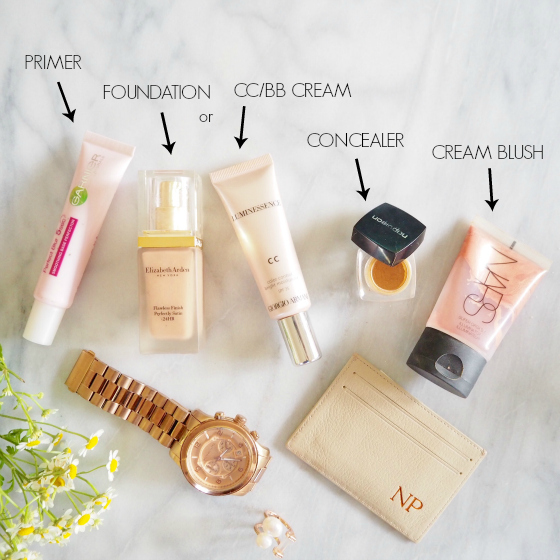
Makeup can be a fun way to express your personal style, enhance your natural features, and feel more confident. However, getting started can sometimes feel confusing. There are many different products available, and beginners may not know which products they actually need or how to apply them correctly.
The good news is that you do not need a large makeup collection to create a beautiful everyday look. A few basic products, the right techniques, and some practice can help you become more comfortable with makeup.
This complete makeup guide for beginners explains the basic products, application steps, helpful tips, and common mistakes so you can build a simple makeup routine that works for you.
Start With Clean Skin
Before applying makeup, start with clean and comfortable skin. Makeup usually looks better when applied to skin that has been properly cleansed and moisturized.
Wash your face with a gentle cleanser and apply a suitable moisturizer. If you are applying makeup during the day, sunscreen should also be part of your skincare routine.
Allow your skincare products a little time to settle before applying makeup. This can help create a smoother base.
Good makeup starts with good preparation, so do not rush this step.
Use Primer If You Need It
Primer is an optional makeup product that can be applied before foundation.
Some primers are designed to create a smoother-looking surface, while others may help makeup feel more comfortable or last longer.
However, beginners do not necessarily need primer. If your foundation applies smoothly and lasts well without it, you can skip this step.
If you decide to use primer, apply a small amount after skincare and before foundation.
Choose a primer according to your skin type and the finish you want.
Choose the Right Foundation
Foundation is used to create a more even-looking complexion.
There are many types of foundation, including liquid, cream, powder, and lightweight formulas.
When choosing a foundation, consider your skin type and the level of coverage you want.
If you are a beginner, a lightweight or medium-coverage foundation can be easier to work with than a very heavy formula.
The most important thing is choosing a shade that matches your skin as closely as possible.
Try to check the shade in natural lighting when possible. A foundation that matches your skin should blend naturally rather than creating an obvious line between your face and neck.
Apply Foundation Slowly
You do not need a large amount of foundation.
Start with a small amount and apply it to the center of your face. Then blend it outward.
You can use clean fingers, a makeup sponge, or a foundation brush depending on your preference.
A damp makeup sponge can create a soft, blended appearance, while a brush can provide more coverage.
Instead of applying a thick layer immediately, build coverage gradually where you need it.
This can help your makeup look more natural.
Use Concealer Where Needed
Concealer can be used to provide additional coverage in specific areas.
Beginners often use concealer under the eyes or over visible blemishes.
Choose a concealer that works well with your foundation. For under-eye areas, many people prefer a lightweight formula that does not feel heavy.
Apply a small amount and blend gently.
There is no need to cover your entire face with concealer. Use it only where additional coverage is needed.
Set Your Base Carefully
Setting powder can help reduce unwanted shine and help makeup stay in place.
If you have oily skin, you may prefer to use powder in areas where you become shiny during the day.
If you have dry skin, applying too much powder can make the skin look dry or emphasize texture.
Use a small amount and apply it where needed rather than covering your entire face with a heavy layer.
Add Blush for a Fresh Look
Blush can add color and warmth to your complexion.
There are powder, cream, and liquid blush formulas. Beginners may find powder blush easy to control, while cream formulas can create a softer-looking finish.
Apply a small amount to the cheeks and blend carefully.
Start with less product because it is easier to add more than to remove too much.
Choose a shade that complements your complexion and the overall makeup look you want.
Learn the Basics of Bronzer
Bronzer can add warmth to the face and create a more balanced makeup look.
It is usually applied to areas where the sun naturally reaches the face, such as the forehead, cheeks, and jawline.
Use a small amount and blend it well.
One of the most common beginner mistakes is applying too much bronzer. Start lightly and build the color gradually.
Try Simple Eyebrow Makeup
Well-groomed eyebrows can help frame the face.
You do not need complicated eyebrow techniques to create a natural look.
A brow pencil, powder, or gel can help fill in sparse areas.
Use small, light strokes instead of drawing one thick line.
Choose a color that looks natural with your hair and overall appearance.
If your eyebrows already have a full shape, you may only need a little brow gel to keep them in place.
Keep Eye Makeup Simple
Eye makeup can look complicated, but beginners can start with simple techniques.
A basic eye look may include one neutral eyeshadow shade and mascara.
Apply a neutral eyeshadow over the eyelid and blend the edges gently.
If you want more definition, use a slightly darker shade in the crease.
You do not need to use many colors to create an attractive eye look.
As you gain confidence, you can experiment with different eyeshadow colors and styles.
Learn How to Apply Mascara
Mascara can make the eyes appear more defined.
Before applying mascara, make sure the wand is not carrying an excessive amount of product.
Start near the base of the lashes and move the wand upward carefully.
Avoid applying too many layers because this can cause lashes to look clumpy.
If mascara gets onto the skin, allow it to dry slightly before gently removing the mark with a clean cotton swab.
Try Eyeliner When You Feel Comfortable
Eyeliner can make the eyes look more defined, but it may take some practice.
Beginners can start with a simple line close to the upper lash line instead of immediately attempting a dramatic wing.
Pencil eyeliner can be easier to control than liquid eyeliner when you are learning.
Do not worry if the line is not perfect at first. Makeup improves with practice.
Choose the Right Lip Product
Lip makeup can complete your look.
There are many options, including lipstick, lip gloss, lip balm, and lip liner.
For a beginner-friendly everyday look, a tinted lip balm or natural lipstick can be an easy choice.
Before applying lip color, make sure your lips are comfortable and not excessively dry.
If your lips are dry, a moisturizing lip balm can help.
Blend Everything Well
Blending is one of the most important makeup skills.
Harsh lines can make makeup look less natural, while properly blended products create a smoother appearance.
Take your time with foundation, concealer, blush, bronzer, and eyeshadow.
Use clean brushes or sponges and blend gently.
Remember that makeup should look balanced when viewed as a whole rather than perfect in one small area.
Choose the Right Makeup Tools
You do not need dozens of brushes.
A beginner can start with a few useful tools, such as:
- Foundation brush or makeup sponge
- Powder brush
- Blush brush
- Eyeshadow brush
- Brow brush
- Eyelash curler if desired
Keep your makeup tools clean and store them properly.
Dirty brushes and sponges can collect product residue, oils, and other buildup.
Remove Makeup Before Sleeping
One of the most important makeup habits is removing your makeup before bed.
Leaving makeup on overnight can leave products on your skin for many hours.
Use a suitable makeup remover or cleanser and gently clean your face.
After removing your makeup, continue with your normal evening skincare routine.
Taking a few minutes to remove makeup at night can help you maintain better skincare habits.
Avoid Sharing Makeup Products
Makeup products are personal items.
Avoid sharing products such as mascara, lip products, brushes, or other makeup tools whenever possible.
Sharing makeup can transfer oils, bacteria, and other contaminants between people.
Keep your makeup products clean and replace products according to their recommended use period.
If a product changes smell, texture, or appearance, it may be time to replace it.
Common Makeup Mistakes Beginners Make
Beginners often make a few common mistakes, and most can be fixed with practice.
Using Too Much Foundation
Heavy foundation can make makeup look unnatural. Start with a small amount and build coverage only where needed.
Choosing the Wrong Shade
A foundation that is too light or too dark can create an obvious contrast with the neck.
Skipping Skin Preparation
Dry or unprepared skin can make makeup appear uneven.
Applying Too Much Powder
Too much powder can make the skin look dry or emphasize texture.
Not Blending
Unblended makeup can create visible lines.
Using Too Much Product
Start with small amounts. You can always add more.
Build a Simple Beginner Makeup Routine
If you are completely new to makeup, start with a simple routine.
Step 1: Prepare Your Skin
Cleanse, moisturize, and apply sunscreen during the day.
Step 2: Apply Foundation
Use a small amount and blend evenly.
Step 3: Add Concealer
Apply it only where additional coverage is needed.
Step 4: Set the Base
Use a small amount of powder where necessary.
Step 5: Apply Blush
Add a little color to your cheeks and blend.
Step 6: Define Your Brows
Use a brow pencil or gel if needed.
Step 7: Apply Eyeshadow and Mascara
Start with neutral eyeshadow and finish with mascara.
Step 8: Add Lip Color
Use a lipstick, gloss, or tinted balm.
This routine is simple enough for everyday use and can be expanded as you become more comfortable.
Practice Makes Makeup Easier
Nobody becomes an expert at makeup immediately.
You may struggle with eyeliner, apply too much blush, or choose the wrong foundation shade when you first start. That is completely normal.
Practice different techniques when you have time.
Try your makeup in different lighting and take photos to see how it looks. Over time, you will learn which products, shades, and techniques work best for you.
Frequently Asked Questions
What makeup should a beginner buy first?
Start with basic products such as foundation or tinted base, concealer, blush, mascara, brow product, and lip color. You can add other products later.
Do beginners need primer?
No. Primer is optional. If your makeup works well without it, you do not have to use one.
How can I make makeup look natural?
Use small amounts of product, choose shades that match your complexion, and blend everything carefully.
Is expensive makeup better?
Not necessarily. Price does not always determine whether a product is suitable for you. Focus on quality, ingredients, shade, formula, and how the product works with your skin.
How often should makeup brushes be cleaned?
Brushes should be cleaned regularly, especially those used with liquid or cream products. Follow proper cleaning practices and allow brushes to dry completely.
Final Thoughts
Learning makeup can feel overwhelming at first, but it becomes much easier once you understand the basics. You do not need a large collection of products or advanced techniques to create a polished everyday look.
Start with clean, moisturized skin and focus on a few essential products. Choose a foundation that matches your complexion, apply concealer where needed, add a little blush, define your brows, and keep eye makeup simple while you learn.
Most importantly, remember that makeup is personal. There is no single correct way to apply it. Experiment with different products, practice your techniques, and find a style that makes you feel comfortable.
A simple and consistent approach is the best way to build confidence. With time and practice, you will become more familiar with your products and discover the makeup routine that works best for you.