Healthy-looking skin does not require a complicated routine. A consistent skincare routine, good daily habits, and products that suit your skin can help keep your skin clean, comfortable, and well cared for.
Everyone’s skin is different. Some people have naturally dry skin, while others experience oiliness, sensitivity, or occasional breakouts. Your skincare routine should therefore be simple enough to follow every day and flexible enough to match your skin’s needs.
This complete skincare guide covers practical daily skincare tips, from cleansing and moisturizing to sun protection, hydration, sleep, and choosing suitable products.
1. Know Your Skin Type

Understanding your skin type is a useful first step.
The main skin types are generally described as:
- Normal skin
- Dry skin
- Oily skin
- Combination skin
- Sensitive skin
Dry skin may feel tight or rough, especially after cleansing. Oily skin may become shiny during the day. Combination skin can have oilier areas, particularly around the forehead, nose, and chin, while other areas may feel normal or dry.
Sensitive skin may react more easily to certain skincare products.
Knowing how your skin behaves can help you choose products that are more comfortable and appropriate for your routine.
2. Cleanse Your Skin Gently
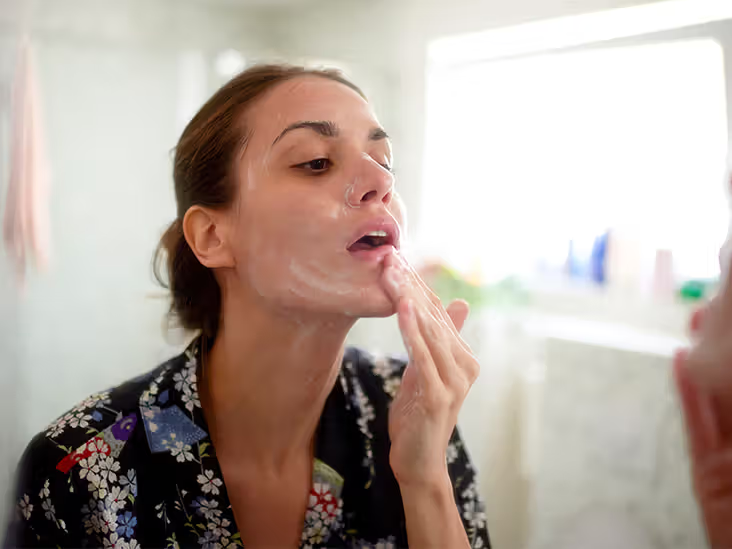
Cleansing helps remove dirt, excess oil, sweat, sunscreen, and makeup from the skin.
A gentle cleanser is usually a good starting point. Avoid scrubbing your face aggressively because excessive friction can leave the skin feeling irritated.
Use lukewarm water rather than very hot water, and gently pat your face dry with a clean towel.
The goal of cleansing is to clean the skin without leaving it feeling excessively dry or uncomfortable.
3. Moisturize Every Day
Moisturizer helps maintain the skin’s moisture and can make it feel softer and more comfortable.
Even people with oily skin may benefit from moisturizing. Instead of skipping moisturizer, look for a lightweight product that feels comfortable on your skin.
People with dry skin may prefer a richer moisturizer.
Apply moisturizer after cleansing while the skin is slightly damp. This can help support a comfortable skin barrier.
4. Use Sunscreen
Sun protection is one of the most important parts of a daily skincare routine.
Regular exposure to ultraviolet radiation can contribute to premature skin aging and sunburn. Using sunscreen can help protect exposed skin from UV radiation.
Choose a broad-spectrum sunscreen with an appropriate SPF and apply it according to the product instructions.
Remember that sun protection is not only important during summer. UV exposure can occur throughout the year.
When spending extended time outdoors, additional protection such as shade, protective clothing, and a hat can also be useful.
5. Keep Your Routine Simple
A complicated skincare routine is not automatically a better routine.
Using many products at once can make it difficult to determine which products work well for you. It can also increase the chance of irritation.
A simple routine can include:
Morning:
- Gentle cleanser
- Moisturizer
- Sunscreen
Evening:
- Cleanser
- Treatment product if needed
- Moisturizer
You can add other products based on your individual needs, but there is no need to use every product available.
6. Choose Products Carefully
Skincare products should be selected according to your skin type and concerns.
When trying a new product, introduce it gradually instead of changing your entire routine at once.
Read the ingredient list and product instructions. If your skin is sensitive, you may prefer products that are designed for sensitive skin and contain fewer potential irritants.
If a product causes persistent burning, swelling, or significant irritation, stop using it and consider seeking professional advice.
7. Do Not Over-Exfoliate
Exfoliation can help remove dead skin cells from the surface of the skin, but doing it too often can cause irritation.
There are different types of exfoliating products, including physical and chemical exfoliants.
If you use an exfoliating product, follow its instructions carefully.
Avoid aggressive scrubbing, particularly if your skin is already irritated or sensitive.
More exfoliation does not necessarily mean healthier skin. A gentle and consistent approach is usually more practical.
8. Remove Makeup Before Bed
Sleeping with makeup on can leave your skin exposed to makeup residue and other products for longer than necessary.
If you wear makeup, remove it before going to bed and then cleanse your skin gently.
Avoid rubbing the eye area aggressively.
After cleansing, apply moisturizer as part of your evening skincare routine.
9. Keep Your Hands and Personal Items Clean
Your hands come into contact with many surfaces throughout the day.
Try to avoid touching your face unnecessarily, especially when your hands are not clean.
It is also useful to regularly clean items that come into frequent contact with your face, such as phones, glasses, and makeup tools.
Makeup brushes and sponges should be cleaned regularly according to their care instructions.
Small hygiene habits can complement your regular skincare routine.
10. Stay Hydrated
Drinking enough fluids is important for overall health.
Water is a simple choice throughout the day, particularly when you are active or spending time in hot weather.
However, drinking extra water alone is not a solution for every skin concern. Healthy skin depends on many factors, including genetics, environment, skincare habits, nutrition, and overall health.
Focus on staying adequately hydrated rather than trying to drink excessive amounts.
11. Eat a Balanced Diet
Your diet can contribute to overall health, which also supports healthy skin.
Try to include a variety of foods such as fruits, vegetables, whole grains, protein sources, and healthy fats.
Instead of relying on a single “skin-friendly” food, focus on a balanced eating pattern.
If you have a specific skin condition or dietary concern, a qualified healthcare professional or registered dietitian can provide personalized guidance.
12. Get Enough Sleep
Sleep gives your body time to rest and recover.
Poor sleep can affect how you feel and may also influence the appearance of your skin.
Try to maintain a regular sleep schedule and create a comfortable sleeping environment.
Simple habits such as limiting late-night screen use, keeping your bedroom comfortable, and following a consistent bedtime can make it easier to maintain healthy sleep habits.
13. Manage Stress
Daily stress can affect your overall well-being.
Some people notice changes in their skin during stressful periods, although the relationship between stress and skin concerns can vary.
Finding healthy ways to manage stress may support both your general well-being and your skincare routine.
Walking, exercise, hobbies, relaxation exercises, spending time with friends, and taking regular breaks can all be useful ways to create balance.
14. Change Pillowcases Regularly
Your pillowcase comes into contact with your face for several hours every night.
Changing and washing pillowcases regularly can help keep your sleeping environment clean.
If you use skincare products at night, allow them to absorb before going to bed when appropriate.
Keeping bedding clean is a simple habit that can complement other personal hygiene practices.
15. Avoid Picking at Your Skin
It can be tempting to squeeze or pick at spots, blackheads, or other skin imperfections.
However, frequent picking can irritate the skin and may increase the risk of marks or scarring.
Instead of repeatedly touching the area, follow a gentle skincare routine.
If you regularly experience acne or another persistent skin concern, professional advice may be more useful than repeatedly changing products.
16. Pay Attention to Your Skin
Your skin can change over time.
Weather, age, hormones, stress, medications, lifestyle, and new products can all affect how your skin behaves.
A product that worked well previously may not always feel right.
Pay attention to signs such as excessive dryness, persistent redness, itching, or irritation.
If a skin problem continues or becomes severe, consider consulting a dermatologist or other qualified healthcare professional.
17. Be Careful With Skincare Trends
Social media is full of skincare trends and product recommendations.
Some trends may be harmless, while others may not be suitable for everyone.
Do not assume that a product is safe or effective simply because it is popular online.
Research products carefully and consider whether they are appropriate for your skin.
A consistent basic routine is often more useful than constantly changing products because of new trends.
A Simple Daily Skincare Routine
If you are new to skincare, start with the basics.
Morning Routine
Step 1: Cleanse
Use a gentle cleanser if needed to remove overnight oil and residue.
Step 2: Moisturize
Apply a moisturizer suitable for your skin.
Step 3: Protect
Apply broad-spectrum sunscreen to exposed skin.
Evening Routine
Step 1: Remove Makeup
If you wear makeup, remove it gently.
Step 2: Cleanse
Wash your face with a suitable cleanser.
Step 3: Apply Treatment
If you use a treatment product, apply it according to its instructions.
Step 4: Moisturize
Finish with a moisturizer.
Keeping the routine consistent is more important than making it complicated.
Common Skincare Mistakes to Avoid
Some common mistakes can make a skincare routine less effective.
Washing Too Aggressively
Scrubbing hard can irritate the skin.
Using Too Many Products
Adding several new products at once makes it difficult to identify what is causing irritation.
Skipping Sunscreen
Sun protection should be an important part of daytime skincare, particularly when spending time outdoors.
Picking at Breakouts
Frequent touching can irritate the area and may increase the chance of marks.
Ignoring Persistent Problems
If a skin concern does not improve or becomes worse, professional advice may be appropriate.
Frequently Asked Questions
How often should I wash my face?
A gentle cleansing routine can be used according to your skin type and daily activities. Avoid excessive washing if it leaves your skin dry or irritated.
Is moisturizer necessary for oily skin?
Oily skin can still benefit from moisturizer. Look for a lightweight product that feels comfortable and suits your skin.
Should I use sunscreen every day?
Sun protection is an important part of daytime skincare. Use a broad-spectrum sunscreen and follow its application instructions.
How long does it take to see skincare results?
Results vary depending on the product, skin concern, and individual. Consistency is important, and some skincare changes may take several weeks or longer.
When should I see a dermatologist?
Consider professional advice for persistent, painful, worsening, or unusual skin problems, or when over-the-counter products are not helping.
Final Thoughts
Healthy skin starts with simple and consistent habits. A good daily skincare routine does not need to include dozens of products.
Focus on gentle cleansing, regular moisturizing, sun protection, balanced nutrition, adequate sleep, hydration, and healthy daily habits. Choose products carefully and introduce changes gradually.
Most importantly, pay attention to how your skin responds. Everyone’s skin is different, so a routine that works for one person may not work for another.
With patience and consistency, simple skincare habits can help you maintain comfortable, healthy-looking skin over time.