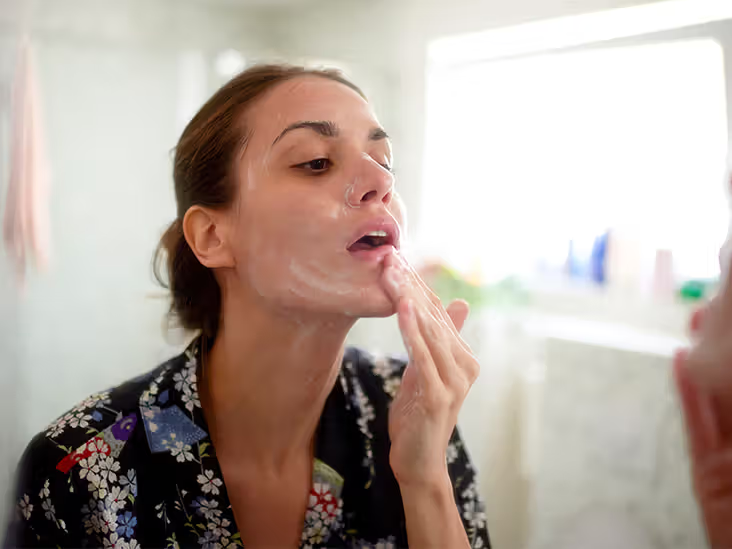
Clear and healthy-looking skin does not always require expensive products or a complicated skincare routine. In many cases, simple daily habits can make a noticeable difference in how your skin looks and feels. Cleansing your face properly, using moisturizer, protecting your skin from the sun, getting enough sleep, and choosing suitable skincare products are all important parts of a good routine.
Everyone’s skin is different. Some people have oily skin, while others experience dryness, sensitivity, or occasional breakouts. Your skin can also change because of weather, age, stress, lifestyle, and other factors. This is why it is important to understand your own skin instead of copying another person’s routine.
If you want to improve your daily skincare habits, the following tips can help you create a simple and consistent routine.
Understand Your Skin Type
The first step toward better skincare is understanding your skin type. Knowing whether your skin is oily, dry, combination, normal, or sensitive can help you choose products that are more suitable for you.
Oily skin may become shiny during the day because of increased oil production. Dry skin may feel tight, rough, or uncomfortable after cleansing. Combination skin can have oily areas around the forehead, nose, and chin while other areas may feel dry.
Sensitive skin may react more easily to certain ingredients or products.
Once you understand your skin, you can make better decisions about cleansers, moisturizers, sunscreens, and other products.
Cleanse Your Face Gently
Cleansing is one of the most important steps in a daily skincare routine. During the day, your skin can collect sweat, dirt, excess oil, sunscreen, and makeup.
A gentle cleanser can help remove these substances without unnecessarily irritating your skin. Use lukewarm water and avoid very hot water, especially if your skin is already dry or sensitive.
You should also avoid scrubbing your face aggressively. Gentle movements are usually enough to clean the skin.
After washing your face, gently pat it dry with a clean towel rather than rubbing it.
Moisturize Every Day
Moisturizing helps keep your skin feeling soft and comfortable. It can also support the skin barrier and help reduce excessive dryness.
People with oily skin sometimes avoid moisturizer because they believe it will make their skin more oily. However, oily skin can still benefit from hydration. A lightweight moisturizer may be a better choice for oily skin.
People with dry skin may prefer a thicker cream or lotion.
Apply moisturizer after cleansing and follow the product instructions. Finding a moisturizer that feels comfortable can make it easier to maintain your routine every day.
Use Sunscreen Regularly
Sun protection is one of the most important skincare habits.
Ultraviolet radiation can cause sunburn and contribute to premature skin aging. Regular exposure can also affect the appearance of the skin over time.
Use a broad-spectrum sunscreen with an appropriate SPF and follow the directions on the product.
When you are spending a long time outside, additional protection such as a hat, protective clothing, and shade can also be useful.
Do not think of sunscreen as something that is only necessary during summer. Sun exposure can occur throughout the year.
Do Not Overwash Your Face
Keeping your skin clean is important, but washing your face too frequently can sometimes cause problems.
Harsh cleansers or excessive washing may remove too much oil from the skin. This can leave your face feeling dry, tight, or irritated.
Instead of washing repeatedly throughout the day, create a routine that matches your skin type and daily activities.
If your skin feels uncomfortable after cleansing, consider whether your cleanser is too strong or whether you are washing too often.
Avoid Picking and Squeezing Your Skin
When a pimple appears, it can be tempting to squeeze it. However, repeatedly touching, picking, or squeezing blemishes can irritate the skin.
It may also increase the chance of developing marks or scars.
Try to keep your hands away from your face as much as possible and follow a gentle skincare routine.
If you regularly experience painful or persistent acne, consider speaking with a dermatologist instead of repeatedly trying different products.
Remove Makeup Before Going to Bed
If you wear makeup, removing it before sleeping should be an important part of your evening routine.
Makeup can remain on your skin for many hours if it is not removed properly. Use a suitable makeup remover or cleansing product and gently clean your face afterward.
Pay particular attention to the eye area and avoid rubbing it aggressively.
After removing makeup and cleansing your face, apply moisturizer if it is part of your routine.
Choose Skincare Products Carefully
The skincare industry offers a large number of products, but you do not need to use everything available.
Choose products according to your skin type and specific needs.
Before purchasing a product, read its instructions and understand what it is designed to do. If your skin is sensitive, be especially careful when introducing new products.
It is also better to introduce one new product at a time. If you start several products together and experience irritation, it can be difficult to know which product caused the problem.
Keep Your Routine Simple
A complicated routine is not necessarily better.
A simple routine can be easier to follow consistently and may reduce the risk of using unnecessary products.
A basic morning routine can include:
- Gentle cleansing
- Moisturizer
- Sunscreen
An evening routine can include:
- Makeup removal if necessary
- Gentle cleansing
- Treatment product if needed
- Moisturizer
You can add additional products according to your skin’s needs, but there is no requirement to use a large number of products.
Exfoliate Carefully
Exfoliation can help remove dead skin cells from the surface of your skin. However, excessive exfoliation can cause dryness, redness, and irritation.
There are different types of exfoliating products, including physical scrubs and chemical exfoliants.
If you use an exfoliating product, follow its instructions carefully. Avoid aggressive scrubbing, especially if your skin is sensitive.
More exfoliation does not automatically mean clearer or healthier skin. The goal should be to use a method that your skin tolerates comfortably.
Keep Your Pillowcases and Towels Clean
Items that regularly touch your face should be kept clean.
Pillowcases can collect sweat, oils, hair products, and skincare residue. Towels can also collect moisture and bacteria if they are not washed regularly.
Wash pillowcases and face towels regularly and allow them to dry properly.
If you use makeup brushes and sponges, clean them according to their care instructions.
These simple hygiene habits can support your overall skincare routine.
Keep Your Hands Away From Your Face
Your hands touch many different surfaces throughout the day.
Touching your face repeatedly can transfer dirt and oils to your skin. It can also make you more likely to pick at existing blemishes.
Try to avoid touching your face unnecessarily, especially when your hands are not clean.
This is a small habit, but becoming more aware of it can help you maintain better everyday hygiene.
Drink Enough Water
Staying hydrated is important for your overall health.
Drink water regularly throughout the day according to your body’s needs. You may need more fluids during hot weather or after physical activity.
However, drinking excessive amounts of water will not automatically solve every skin problem.
Healthy-looking skin depends on many factors, including genetics, skincare, nutrition, sleep, environment, and lifestyle.
Focus on normal hydration as part of a balanced lifestyle rather than relying on water alone.
Eat a Balanced Diet
Your diet can support your overall health, and good nutrition is an important part of a healthy lifestyle.
Try to eat a variety of foods, including fruits, vegetables, whole grains, protein sources, and healthy fats.
Rather than relying on one particular food or drink for better skin, focus on maintaining a balanced diet.
If you believe a particular food is affecting your skin, keep track of your eating habits and consider discussing the issue with a qualified professional.
Get Enough Sleep
Sleep is important for your overall well-being.
When you regularly do not get enough sleep, you may feel tired and notice changes in your general appearance.
Try to maintain a consistent sleep schedule and create a comfortable sleeping environment.
A regular bedtime, reduced late-night screen use, and a relaxing routine before sleep may help you maintain better sleep habits.
Good skincare is not only about what you put on your face. Your daily lifestyle also matters.
Manage Stress
Stress is a normal part of life, but ongoing stress can affect people in different ways.
Some people notice changes in their skin during stressful periods. While stress is not the only factor involved in skin problems, managing it can support your general well-being.
Try activities that help you relax, such as walking, exercising, reading, spending time with friends, listening to music, or enjoying a hobby.
Taking short breaks during a busy day can also help you maintain balance.
Protect Your Skin From Weather
Weather conditions can affect how your skin feels.
Cold and dry weather may cause some people to experience more dryness. Hot and humid conditions can increase sweating and oiliness.
You may need to adjust your skincare routine depending on the season.
During hot weather, lightweight products may feel more comfortable. During colder months, a richer moisturizer may be useful for people who experience dryness.
Regardless of the season, continue using appropriate sun protection when exposed to sunlight.
Be Careful With Social Media Skincare Trends
Social media has made skincare information easy to access, but not every trend is suitable for everyone.
A product or technique that works for one person may cause irritation for another.
Before trying a viral skincare method, research it carefully and understand how it should be used.
Avoid applying household ingredients or untested products to your face simply because they are popular online.
A simple routine with products suitable for your skin is usually easier to manage than constantly changing your routine.
Give Your Skincare Routine Time
One common mistake is expecting immediate results.
Different skincare products work at different speeds, and individual results can vary.
Changing your routine every few days can make it difficult to determine whether a product is actually helping.
Once you have established a simple routine that your skin tolerates well, try to follow it consistently.
If a skin concern does not improve, becomes painful, or continues to get worse, professional advice may be appropriate.
Simple Daily Skincare Routine
If you are new to skincare, you can start with a basic routine.
Morning
Start with gentle cleansing if needed. Apply a moisturizer suitable for your skin and finish with broad-spectrum sunscreen.
Evening
Remove makeup if you wear it, cleanse your face, apply any suitable treatment product, and finish with moisturizer.
This routine is simple enough for most people to understand and maintain.
Common Skincare Mistakes to Avoid
Some habits can make skincare more difficult.
Using too many products can increase the chance of irritation. Scrubbing too hard can damage the skin’s surface. Washing too frequently can leave the skin feeling dry. Skipping sunscreen can increase exposure to UV radiation.
Picking at blemishes is another common mistake that can make irritation worse.
It is also important not to compare your skin too closely with other people. Everyone’s skin has different characteristics, and photographs online may not show a realistic picture.
Focus on building a routine that suits your own needs.
When to See a Dermatologist
Many everyday skin concerns can be managed with basic skincare, but some problems require professional attention.
Consider speaking with a dermatologist if you experience persistent acne, painful breakouts, unusual rashes, ongoing irritation, severe dryness, swelling, or other skin changes that do not improve.
Professional advice can help identify the cause of a skin concern and determine an appropriate treatment.
Avoid repeatedly changing products when a problem is persistent.
Frequently Asked Questions
What are the best skincare tips for clear skin?
The basics include gentle cleansing, regular moisturizing, daily sun protection, avoiding picking at your skin, choosing suitable products, and maintaining healthy lifestyle habits.
How can I improve my skincare routine?
Start with a simple routine and add products only when you have a specific reason to use them. Consistency is more important than having many products.
Should oily skin use moisturizer?
Yes. Oily skin can still benefit from moisturizing. A lightweight moisturizer may be more comfortable for people with oily skin.
Is sunscreen necessary every day?
Sun protection is an important part of daytime skincare. Use broad-spectrum sunscreen according to the product instructions, especially when spending time outdoors.
How long does it take to improve skin?
The time varies depending on the individual, product, and skin concern. Consistency is important, and some changes may take weeks or longer.
Final Thoughts
Clear and healthy-looking skin does not require an expensive or complicated routine. The most important thing is to develop simple habits that you can follow consistently.
Start by understanding your skin type and choosing products that suit your needs. Cleanse gently, moisturize regularly, protect your skin from the sun, and avoid picking or aggressively scrubbing your face.
Healthy lifestyle habits can also support your overall well-being. Drink enough water, eat a balanced diet, get adequate sleep, manage stress, and keep towels, pillowcases, and skincare tools clean.
Most importantly, be patient with your routine. Avoid constantly changing products because of social media trends, and pay attention to how your skin responds.
The best skincare tips for clear and healthy skin are often simple: keep your routine consistent, treat your skin gently, protect it from the sun, and choose products carefully. With regular care and realistic expectations, you can build a skincare routine that is easy to maintain and supports healthy-looking skin over time.