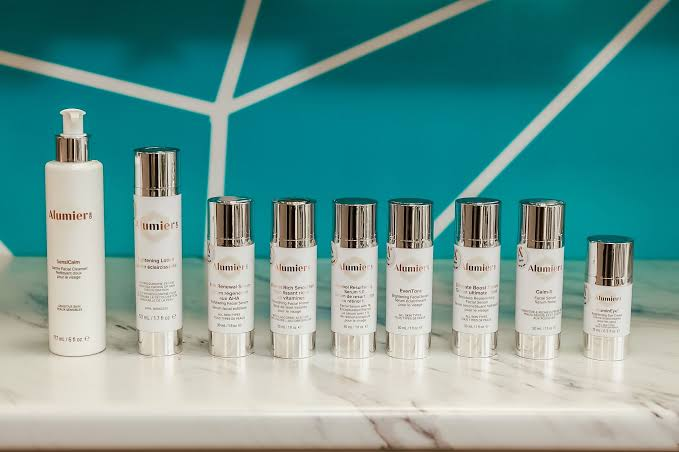
Building an effective daily skincare routine does not have to be complicated. With so many cleansers, moisturizers, serums, masks, and other skincare products available, it can be difficult to know where to begin. Many people make the mistake of using too many products at once, while others skip important steps such as moisturizing or sun protection.
A good skincare routine should be simple, consistent, and suitable for your skin type. The goal is not to use the largest number of products. Instead, focus on choosing the right products and using them in the correct order.
Your skin can change over time because of age, weather, lifestyle, stress, and other factors. For this reason, your routine may also need adjustments from time to time.

This guide explains how to build an effective daily skincare routine, including the basic steps to follow in the morning and evening.
Understand Your Skin Type First

Before choosing skincare products, it helps to understand your skin type.
The common skin types include normal, dry, oily, combination, and sensitive skin.
Dry skin may feel tight, rough, or uncomfortable after cleansing. Oily skin may become shiny during the day. Combination skin often has oilier areas around the forehead, nose, and chin while other parts of the face may feel normal or dry.
Sensitive skin can react more easily to certain ingredients or products.
Knowing your skin type can help you select products that are comfortable and suitable for your daily routine.
Start With the Basics
A good skincare routine does not need to contain many products.
For most basic routines, the main steps are:
- Cleanser
- Moisturizer
- Sunscreen during the day
You can add other products if you have a specific skincare concern, but these basic steps provide a simple starting point.
Keeping your routine simple also makes it easier to stay consistent.
Step 1: Cleanse Your Skin
Cleansing is usually the first step of a skincare routine.
During the day, your skin can collect sweat, dirt, excess oil, sunscreen, and makeup. A suitable cleanser can help remove these substances.
Choose a gentle cleanser that works with your skin type. Avoid using very hot water or scrubbing your face aggressively.
Gently massage the cleanser over your skin and rinse thoroughly. Afterward, pat your face dry with a clean towel.
If cleansing leaves your skin feeling extremely tight or uncomfortable, your cleanser may be too harsh for your skin.
Step 2: Apply Skincare Treatments
If you use a serum or another treatment product, it is generally applied after cleansing and before moisturizer.
Treatment products can be designed for different concerns, such as uneven skin tone, dryness, or breakouts.
You do not need to use multiple treatments at the same time. Start with one product that addresses your main concern and follow its instructions carefully.
Introducing products one at a time makes it easier to understand how your skin responds.
Step 3: Moisturize
Moisturizer is an important part of both morning and evening skincare.
It helps keep the skin feeling comfortable and supports its moisture barrier.
People with oily skin can choose a lightweight moisturizer, while people with dry skin may prefer a richer cream.
Apply moisturizer after cleansing and any treatment products you use.
Finding a moisturizer that feels comfortable is important because it makes it easier to use the product consistently.
Step 4: Apply Sunscreen in the Morning
Sunscreen should be one of the final steps in your morning skincare routine.
Sun exposure can cause sunburn and contribute to premature skin aging. Regular sun protection can help reduce exposure to ultraviolet radiation.
Choose a broad-spectrum sunscreen with an appropriate SPF and follow the product’s instructions.
If you spend a lot of time outside, additional protection such as shade, protective clothing, and a hat can also be helpful.
Remember that sunscreen is part of daytime skincare, even when the weather does not feel particularly hot.
Morning Skincare Routine
A simple morning routine can look like this:
1. Cleanser
Gently clean your face to remove overnight oil and residue.
2. Treatment
Apply a suitable serum or treatment if you use one.
3. Moisturizer
Use a moisturizer appropriate for your skin type.
4. Sunscreen
Finish with broad-spectrum sunscreen before going outside.
This routine can be completed quickly and is easier to maintain than a routine with many unnecessary steps.
Evening Skincare Routine
Your evening routine can be slightly different.
1. Remove Makeup
If you wear makeup, remove it gently before cleansing.
2. Cleanser
Clean your face to remove makeup, sunscreen, sweat, and other buildup.
3. Treatment
Apply any treatment product according to its instructions.
4. Moisturizer
Finish with a suitable moisturizer.
The evening is also a good time to focus on keeping your routine simple and avoiding unnecessary products.
Choose Products According to Your Skin
One of the most important parts of building a skincare routine is choosing products that match your skin.
For dry skin, moisturizing products may be especially important.
For oily skin, lightweight products may feel more comfortable.
For sensitive skin, gentle products may be preferable.
For combination skin, you may need to balance products according to different areas of your face.
Do not assume that a product is suitable simply because it is popular. Pay attention to how your skin responds.
Introduce New Products Slowly
When you find a new skincare product you want to try, avoid changing your entire routine at once.
Introduce one new product at a time.
This makes it easier to determine whether the product works well for your skin or causes irritation.
Follow the instructions provided with the product and avoid using more than recommended.
If your skin develops significant irritation, stop using the product and consider seeking professional advice.
Do Not Over-Exfoliate
Exfoliation can be useful for removing dead skin cells, but excessive exfoliation can cause irritation.
There are physical exfoliants and chemical exfoliants. The best choice depends on your skin and the product.
Avoid aggressive scrubbing and follow the recommended instructions.
If your skin becomes dry, red, or irritated, reduce or stop exfoliation and allow your skin to recover.
Keep Your Skincare Tools Clean
Your skincare routine should also include basic hygiene.
Wash towels regularly and keep pillowcases clean. If you use makeup brushes or sponges, clean them according to their care instructions.
Phones and glasses can also come into frequent contact with your face, so keeping them clean can be useful.
Small hygiene habits can support the rest of your skincare routine.
Avoid Touching Your Face
Your hands come into contact with many surfaces throughout the day.
Constantly touching your face can transfer dirt and oils to your skin. It can also encourage you to pick at blemishes.
Try to avoid unnecessary touching, rubbing, or scratching.
If you need to touch your face, make sure your hands are clean.
Remove Makeup Before Sleeping
Going to bed with makeup on can leave cosmetic products on your skin for an extended period.
If you wear makeup, make makeup removal part of your evening routine.
Use a suitable makeup remover and cleanse your skin afterward.
Be gentle around the eyes and avoid rubbing aggressively.
Support Your Routine With Healthy Habits
Skincare products are only one part of maintaining healthy-looking skin.
Your lifestyle can also influence your general well-being.
Try to drink enough water, eat a balanced diet, get adequate sleep, and manage everyday stress.
Regular physical activity can also support overall health.
You do not need to follow extreme diets or complicated lifestyle routines. Simple habits that you can maintain are usually easier to follow over the long term.
Give Your Routine Time
One of the biggest skincare mistakes is expecting immediate results.
Different products work at different speeds, and individual results can vary.
Changing your products every few days can make it difficult to understand what is working.
Once you have established a routine that your skin tolerates well, give it time and remain consistent.
If you have a persistent skin concern, professional advice may be more useful than repeatedly changing products.
Common Skincare Mistakes
There are several mistakes people commonly make when creating a daily skincare routine.
Using Too Many Products
More products do not necessarily mean better results. A simple routine can be easier to maintain.
Skipping Moisturizer
Even oily skin can benefit from appropriate moisturizing.
Forgetting Sunscreen
Sun protection is an important part of daytime skincare.
Washing Too Aggressively
Harsh cleansing and excessive scrubbing can irritate the skin.
Changing Products Too Frequently
Constantly changing products makes it difficult to determine which ones work for you.
Picking at Breakouts
Touching and squeezing blemishes can increase irritation and may contribute to marks.
When Should You Change Your Routine?
Your skincare routine may need to change when your skin changes.
Weather can affect how your skin feels. Cold and dry conditions may increase dryness, while hot and humid conditions can increase sweating and oiliness.
Age, lifestyle, and new skincare concerns can also affect your routine.
However, do not change everything at once. Make gradual adjustments and observe how your skin responds.
When to See a Dermatologist
A basic skincare routine can help with everyday skin care, but some concerns require professional attention.
Consider speaking with a dermatologist if you experience persistent acne, painful breakouts, unusual rashes, severe irritation, swelling, or other skin problems that do not improve.
A professional can help identify the cause of the problem and recommend appropriate treatment.
Frequently Asked Questions
How many steps should a daily skincare routine have?
A basic routine can have three main steps: cleansing, moisturizing, and sunscreen during the day. Additional treatments can be added when needed.
What should I apply first?
Generally, start with cleansing. Treatment products are usually applied afterward, followed by moisturizer. Sunscreen should be used as the final step of your morning skincare routine.
Can I use the same routine morning and night?
Some steps can be the same, such as cleansing and moisturizing. Sunscreen is mainly a daytime step, while some treatment products are intended for evening use.
Should I use skincare products every day?
Consistency is important, but how often you use a specific product depends on the product and your skin. Always follow the product’s instructions.
How long does it take to see results?
Results vary depending on your skin, the product, and the concern you are addressing. Give your routine time and avoid changing products too quickly.
Final Thoughts
Building an effective daily skincare routine is easier when you focus on the basics. You do not need a large collection of products to take good care of your skin.
Start with a gentle cleanser, choose a suitable moisturizer, and use sunscreen during the day. If you have a specific concern, you can gradually add an appropriate treatment product.
Pay attention to your skin and introduce new products slowly. Avoid excessive cleansing, aggressive exfoliation, and picking at blemishes. Keep your towels, pillowcases, and skincare tools clean, and support your routine with healthy lifestyle habits.
The most important part of any daily skincare routine is consistency. A simple routine that you can follow every day is usually more practical than a complicated routine that becomes difficult to maintain. By understanding your skin and choosing products carefully, you can create a skincare routine that fits comfortably into your everyday life.