Taking care of your skin does not have to be difficult or expensive. A few simple skincare habits followed consistently can help your skin look clean, fresh, and well cared for. Instead of using a large number of products, it is often better to focus on basic habits that fit naturally into your daily routine.
Everyone’s skin is different. Your skin type, age, lifestyle, environment, diet, sleep, and daily activities can all affect how your skin looks and feels. Because of this, the best skincare routine is one that suits your individual needs and is easy to maintain.
If you want better-looking skin without making your routine complicated, these simple skincare habits can give you a practical place to start.
Know Your Skin Type
Before choosing skincare products, take some time to understand your skin.
Skin is commonly described as normal, dry, oily, combination, or sensitive. Dry skin may feel tight or rough, while oily skin may look shiny during the day. Combination skin can have oily areas and dry areas at the same time.
Sensitive skin may react more easily to certain products or ingredients.
Knowing your skin type can make it easier to choose a cleanser, moisturizer, and other products that feel comfortable.
Cleanse Your Skin Gently
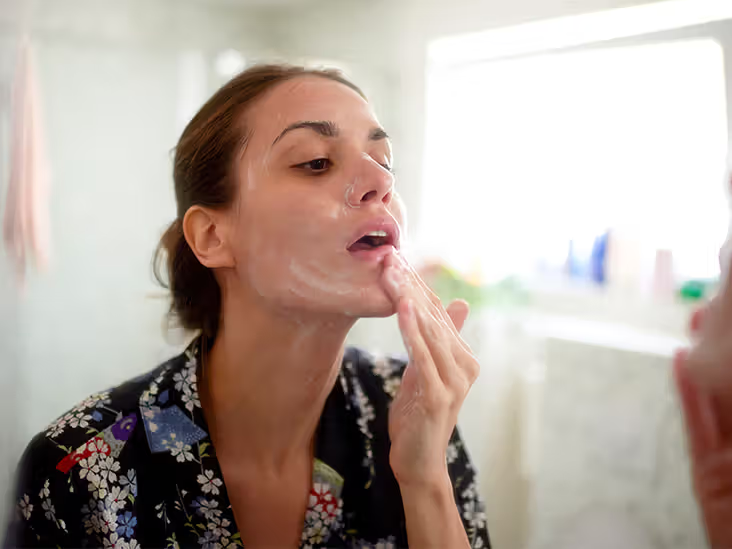
One of the simplest skincare habits is regular cleansing.
Your skin comes into contact with sweat, dust, excess oil, sunscreen, makeup, and other substances throughout the day. A gentle cleanser can help remove this buildup.
Avoid scrubbing your face aggressively. Use lukewarm water and gently massage the cleanser onto your skin.
After washing, pat your face dry with a clean towel rather than rubbing it.
A good cleanser should leave your skin feeling clean without making it feel excessively dry or uncomfortable.
Moisturize Regularly
Moisturizing is an important part of everyday skincare.
A suitable moisturizer can help keep your skin feeling soft and comfortable. It can also support the skin barrier and help prevent excessive dryness.
If you have oily skin, choose a lightweight moisturizer. If your skin is dry, a richer cream may be more comfortable.
Apply moisturizer after cleansing and follow the instructions provided with the product.
Protect Your Skin From the Sun
Daily sun protection is one of the most useful skincare habits you can develop.
Sun exposure can contribute to sunburn and premature skin aging. Regular protection can help reduce your exposure to ultraviolet radiation.
Use a broad-spectrum sunscreen with an appropriate SPF and follow the product’s directions.
When you spend a long time outdoors, additional protection such as a hat, protective clothing, or shade can also help.
Sun protection is important throughout the year, not only during hot weather.
Drink Enough Water
Staying hydrated is important for overall health.
Keep water available during the day and drink according to your body’s needs. You may need additional fluids during hot weather or physical activity.
However, drinking more water than your body needs will not automatically fix skin problems.
Good-looking skin depends on many factors, including genetics, skincare, nutrition, sleep, environment, and lifestyle.
Get Enough Sleep
Sleep is another important part of a healthy lifestyle.
Not getting enough sleep can leave you feeling tired and may affect your overall appearance.
Try to maintain a regular sleeping schedule and create a comfortable environment for rest.
A consistent bedtime can make it easier to develop better sleeping habits.
Good skincare is not only about the products you apply to your face. Your everyday lifestyle also matters.
Keep Your Face and Hands Clean
Your hands touch many surfaces throughout the day, so try to avoid touching your face unnecessarily.
Constant touching can transfer dirt and oils to the skin and may irritate existing blemishes.
Wash your hands regularly, especially before applying skincare products or makeup.
This is a simple habit that can easily become part of your daily routine.
Avoid Picking at Your Skin
Picking, squeezing, or scratching blemishes can irritate the skin.
It may also increase the chance of marks or scars.
When you notice a spot, try to leave it alone instead of repeatedly touching it.
If you regularly experience breakouts, consider speaking with a dermatologist rather than continuously trying different products.
Remove Makeup Before Bed
If you wear makeup, make sure you remove it before going to sleep.
Leaving makeup on overnight can leave cosmetic products on your skin for an extended period.
Use a suitable makeup remover or cleanser and gently clean your face afterward.
Be especially careful around the eyes and avoid aggressive rubbing.
Once your skin is clean, apply moisturizer as part of your evening routine.
Keep Your Pillowcases Clean
Your face spends several hours in contact with your pillowcase every night.
Pillowcases can collect sweat, oils, hair products, and skincare residue. Washing them regularly can help keep your sleeping environment clean.
Use clean towels for your face and avoid sharing personal towels with others.
These simple hygiene habits can complement your skincare routine.
Do Not Over-Exfoliate
Exfoliation can help remove dead skin cells, but doing it too often can cause irritation.
Avoid aggressive physical scrubbing and follow the instructions for any exfoliating product you use.
If your skin becomes red, dry, or uncomfortable, reduce or stop exfoliation and allow your skin to recover.
You do not need to exfoliate frequently to have healthy-looking skin.
Choose Products Carefully
There are countless skincare products available, but not every product is right for everyone.
Choose products based on your skin type and specific needs rather than popularity.
When trying a new product, introduce it gradually. Avoid changing several products at the same time because it can be difficult to determine which product is affecting your skin.
If a product causes significant irritation, stop using it and consider seeking professional advice.
Keep Your Routine Simple
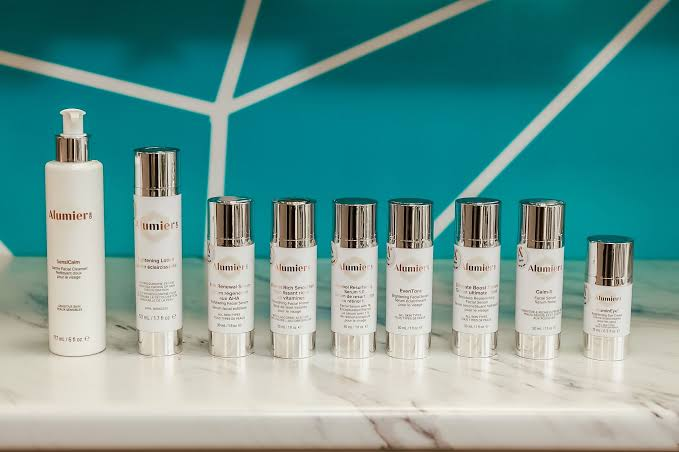
A skincare routine does not need to contain ten or twenty steps.
A simple routine can include:
Morning
- Gentle cleanser
- Moisturizer
- Sunscreen
Evening
- Makeup removal if needed
- Gentle cleanser
- Treatment product if needed
- Moisturizer
You can add other products when there is a specific reason to use them.
Keeping your routine simple makes it easier to follow consistently.
Eat a Balanced Diet
Your diet supports your overall health.
Try to eat a variety of foods, including fruits, vegetables, whole grains, protein sources, and healthy fats.
Rather than relying on a single food or drink for better skin, focus on maintaining balanced eating habits.
If you notice a connection between certain foods and a skin concern, consider discussing it with a qualified healthcare professional.
Manage Daily Stress
Stress is a normal part of life, but finding healthy ways to manage it can support your overall well-being.
Some people notice changes in their skin during stressful periods.
Simple activities such as walking, exercising, reading, listening to music, spending time with friends, or enjoying a hobby can help create balance.
You do not need a complicated stress-management routine. Even taking a few minutes to relax can be useful.
Be Careful With Skincare Trends
Social media is full of skincare advice and product recommendations.
While some information can be useful, not every viral skincare trend is suitable for every skin type.
Avoid trying a new technique simply because it is popular. Research products and understand how they should be used before adding them to your routine.
A simple routine that works for your skin is more valuable than constantly changing products because of online trends.
Give Your Routine Time
Skincare improvements do not always happen immediately.
Different products work differently, and results can vary from person to person.
Changing products every few days can make it difficult to know what is working.
Once you have a routine that your skin tolerates well, try to follow it consistently.
If you have a persistent skin concern, professional advice may be more useful than repeatedly changing your skincare products.
Protect Your Skin in Different Seasons
Your skin may respond differently to changing weather.
Cold and dry conditions can make some people’s skin feel tighter or drier. Hot and humid weather can increase sweating and oiliness.
You may need to adjust your products depending on the season.
During colder weather, a more moisturizing product may feel comfortable. During hot weather, lightweight products may be easier to use.
Continue using appropriate sun protection whenever you are exposed to sunlight.
Keep Skincare Tools Clean
Your skincare products are not the only things that need attention.
If you use makeup brushes, sponges, face rollers, or other tools, clean them regularly according to their care instructions.
Also keep your phone, glasses, towels, and other items that frequently touch your face clean.
Good hygiene can support the rest of your skincare routine.
Know When to Get Professional Help
Simple skincare habits can support healthy-looking skin, but some problems require professional attention.
Consider consulting a dermatologist if you experience persistent acne, painful breakouts, unusual rashes, severe irritation, swelling, or skin changes that do not improve.
A professional can help determine what may be causing the problem and recommend suitable treatment.
Frequently Asked Questions
What is the simplest skincare routine?
A basic routine can include gentle cleansing, moisturizing, and sunscreen during the day. Additional products can be added if you have specific skincare needs.
How can I make my skin look better naturally?
Focus on gentle skincare, adequate sleep, balanced nutrition, hydration, sun protection, and regular daily habits.
Should I moisturize if my skin is oily?
Yes. Oily skin can still benefit from moisturizer. Choose a lightweight product that feels comfortable on your skin.
Is sunscreen really necessary?
Sun protection is an important part of daily skincare. Use a broad-spectrum sunscreen and follow the product instructions.
How often should I change my skincare products?
There is usually no need to change products frequently. If a product works well for your skin, consistency can be more useful than constantly trying something new.
Final Thoughts
Better-looking skin does not require a complicated routine. Simple skincare habits can make your daily routine easier and more consistent.
Start by understanding your skin type, cleanse gently, moisturize regularly, and protect your skin from the sun. Avoid picking at blemishes, remove makeup before bed, keep personal items clean, and choose skincare products carefully.
Your lifestyle also matters. Get enough sleep, drink enough water, eat a balanced diet, and find healthy ways to manage stress.
Most importantly, be patient with your skincare routine. Avoid following every online trend and give your products enough time to see how your skin responds.
The best simple skincare habits for better-looking skin are the ones you can maintain every day. A consistent routine, combined with healthy lifestyle choices and appropriate products, can help you take better care of your skin over time.